New Mexico’s Mother Road at 100
One hundred years after the birth of Historic Route 66, New Mexico remains one of the best places to experience the Mother Road in all its sun-baked glory. Here, the landscape shifts from red rock mesas to wide open prairie, while vintage motels, glowing neon signs and roadside landmarks evoke an era when the journey mattered as much as the destination. It’s a place where classic Americana isn’t recreated for tourists – it simply never disappeared.
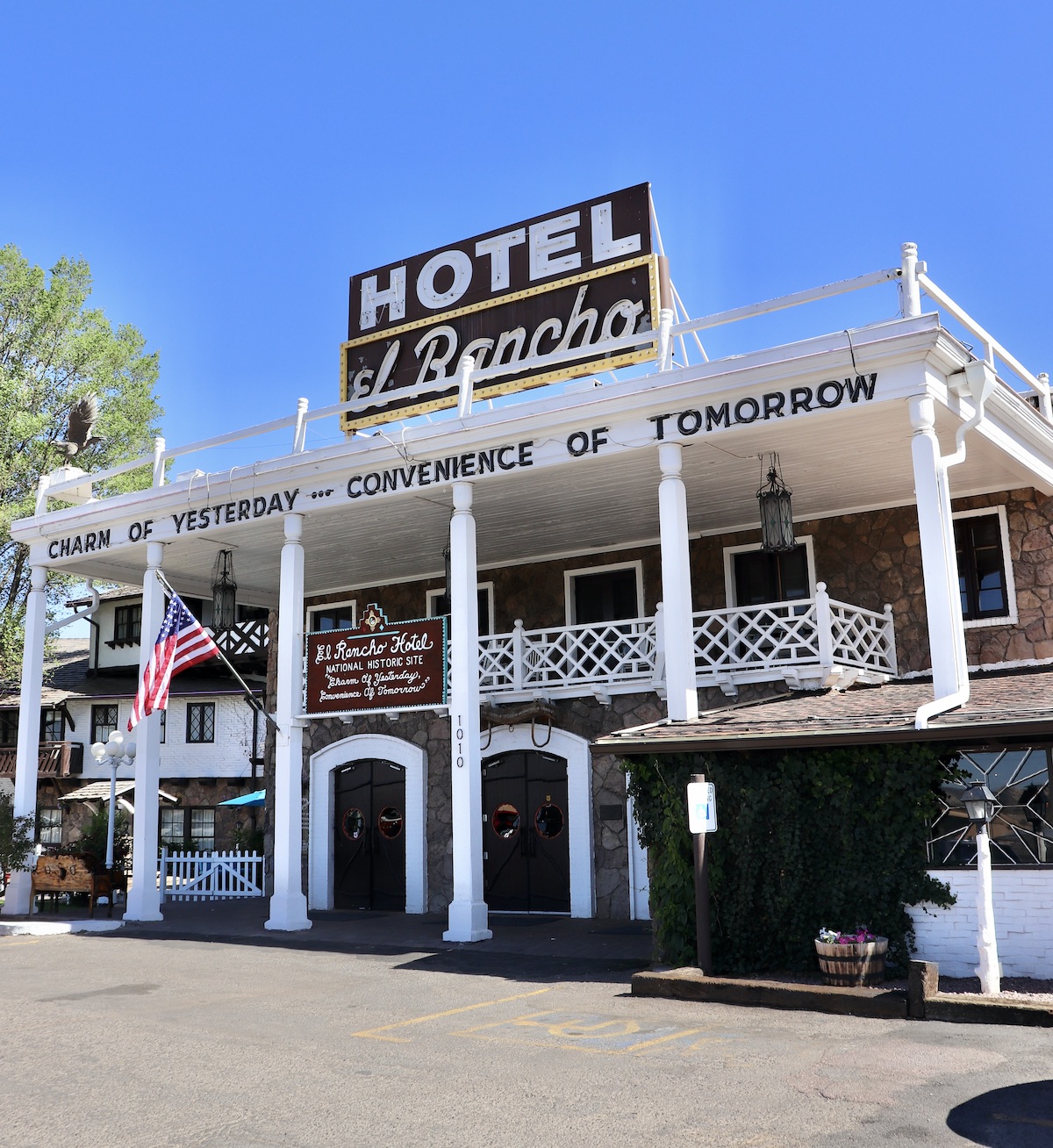
To celebrate this year’s Route 66 Centennial, I hit the road in “the Land of Enchantment,” otherwise known as New Mexico.
Heading east, our journey begins in Gallup, a railroad town long associated with the American West. Its most famous stop is the legendary El Rancho Hotel, where Hollywood stars once stayed while filming westerns throughout the region. Today, the hotel’s rustic lobby, dramatic staircase and vintage signage still capture the romance of the Mother Road’s golden age. Gallup also boasts a great assortment of vintage neon signs and roadside restaurants.
From there, the road continues to Grants, a quieter but rewarding stop surrounded by lava flows, mesas and wide open desert. Once tied to mining and uranium boom years, Grants offers a more understated version of Route 66, a town seemingly shaped by generations of passing travelers. One notable guest was Elvis Presley, who reportedly stayed at the Sands Motel, a visit still commemorated today with a plaque outside his room.
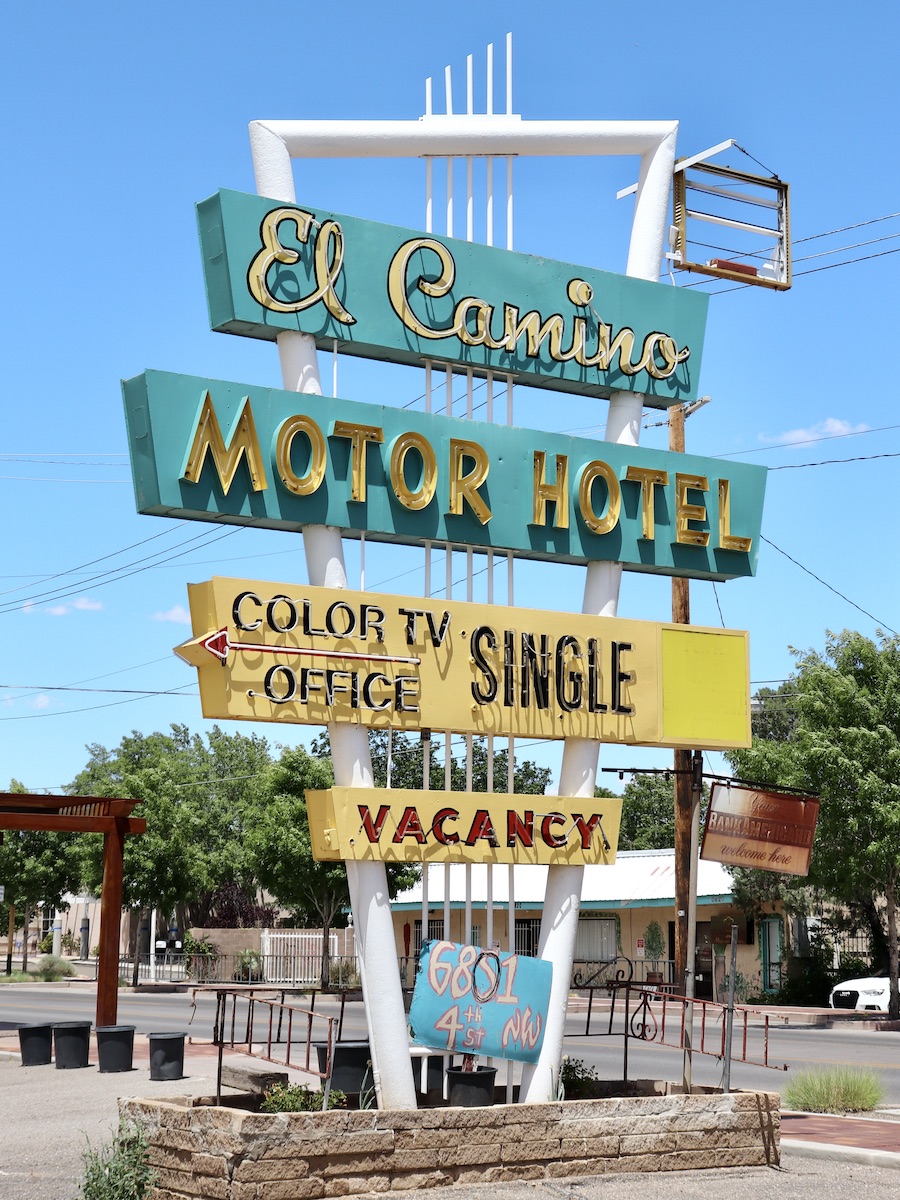
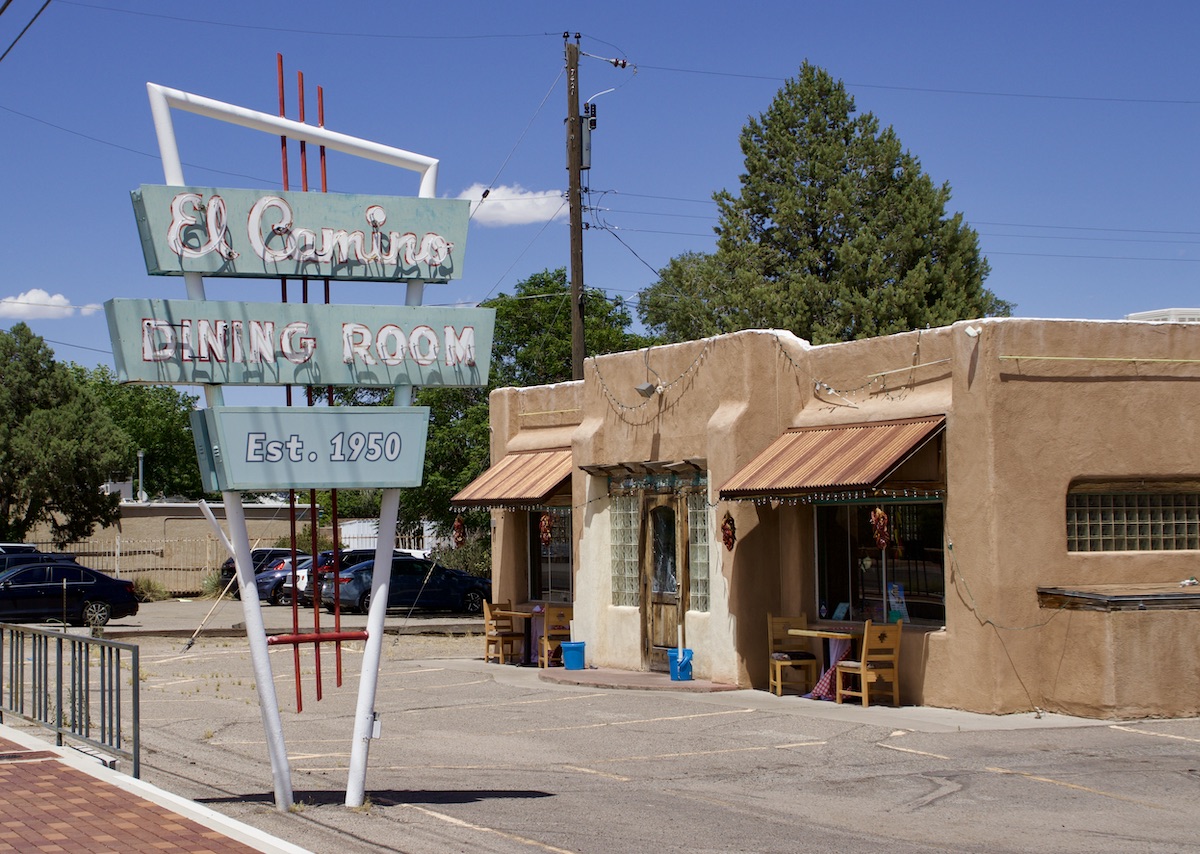
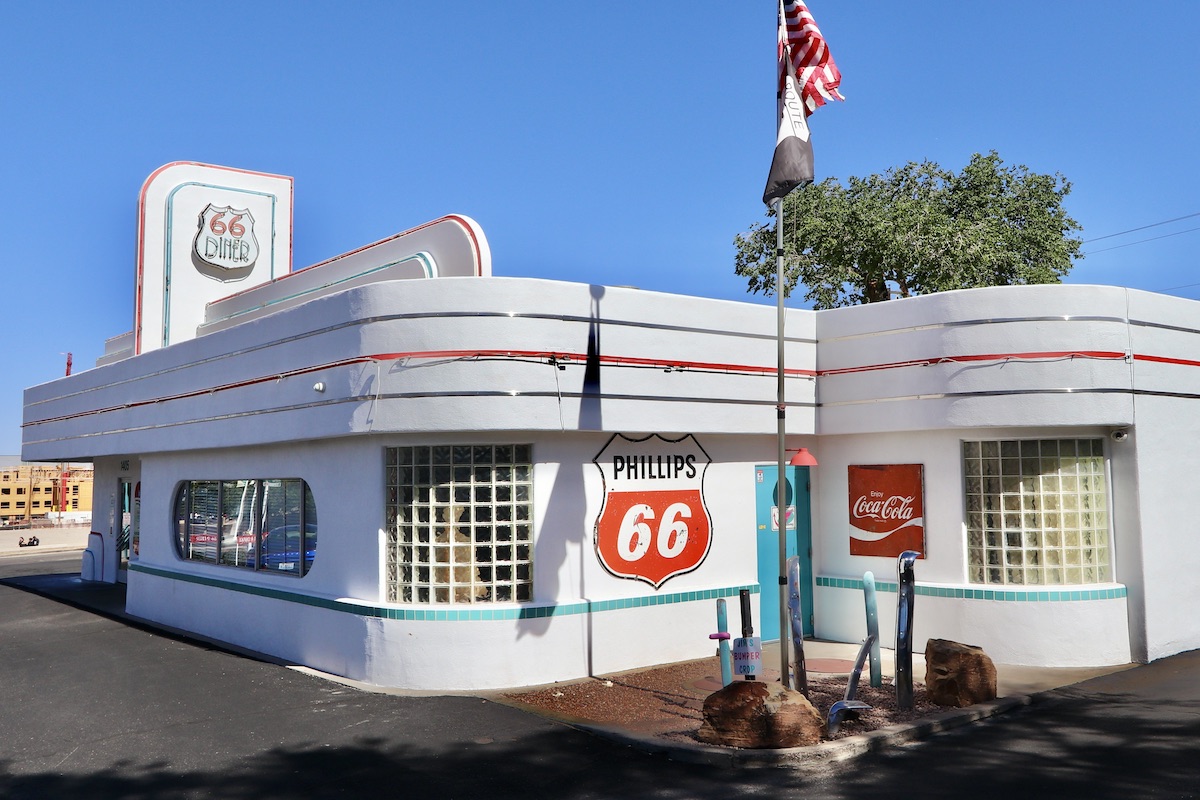
Further east, Albuquerque delivers one of the most concentrated Route 66 experiences in New Mexico. Along Central Avenue, the old highway cuts through Nob Hill and past a rich mix of restored motels, coffee shops and storefronts. Among the standouts are the El Camino Motor Lodge sign, a 1950s Googie masterpiece of shapes and fonts, and the stylish ARRIVE Albuquerque hotel where I stayed, a beautifully reimagined 1960s motel that brings new life to the corridor while preserving its retro spirit. Other notable stops here (among many) include the Dog House, a hot dog stand famous for its Dachshund tail-wagging neon sign; the 66 Diner, a classic chrome and neon restaurant that used to be Phillips 66 service station from 1945; and the Duran Central Pharmacy which boasts a gift shop, a real working lunch counter and, of course, a pharmacy, all under one roof.
Beyond the city, the road opens back up toward Moriarty where one surviving landmark immediately caught my eye; the remarkable Roto-Sphere. Designed to resemble a futuristic satellite (a Sputnik), this enormous kinetic neon sign once rotated in multiple directions, turning an ordinary roadside stop into a piece of Space Age spectacle. Although Moriarty’s Roto-Sphere no longer spins, it remains a fascinating reminder of the optimism, invention and visual drama that defined midcentury roadside design.
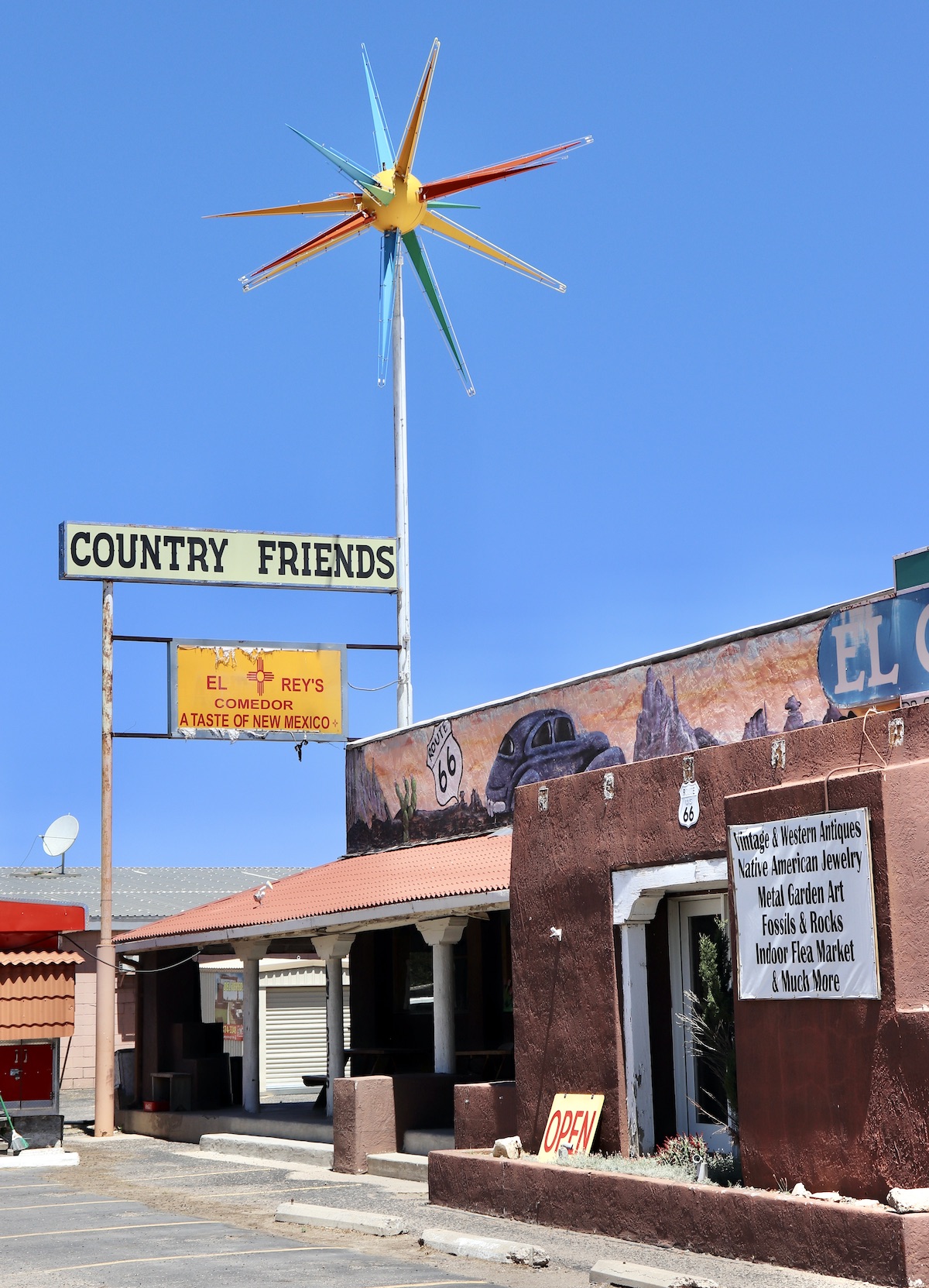
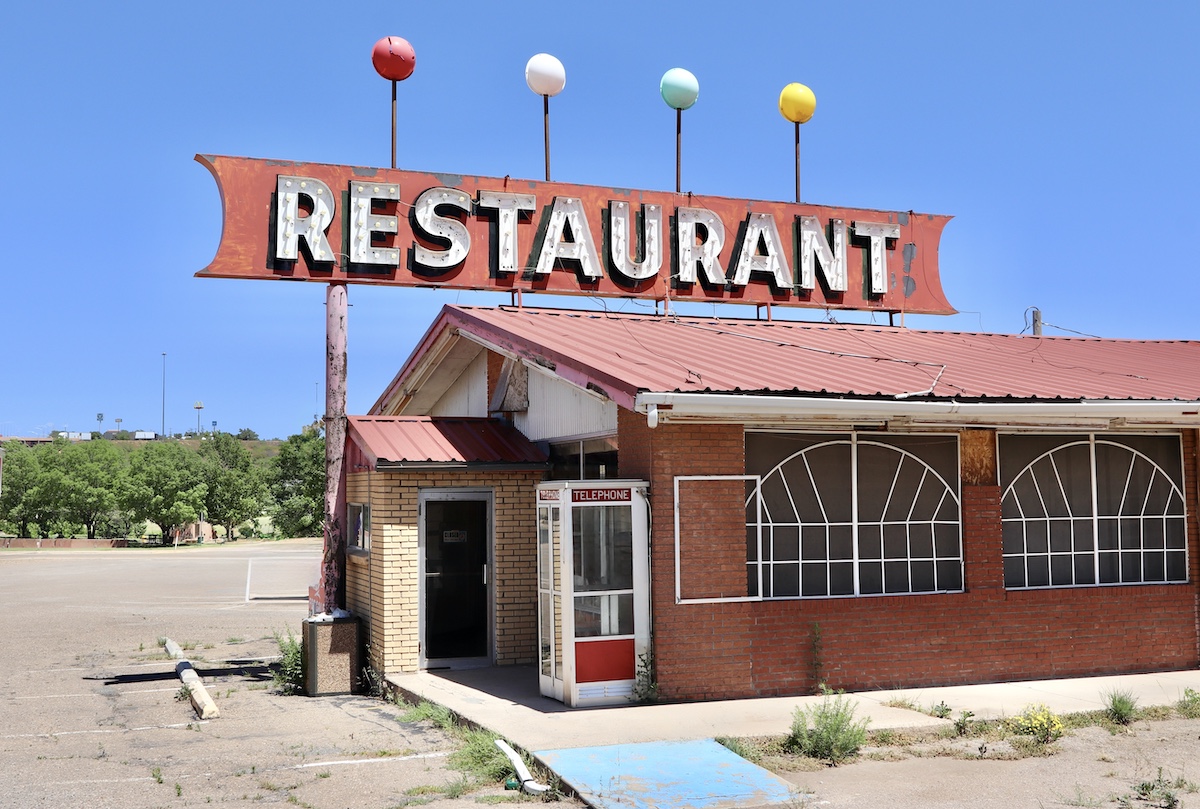
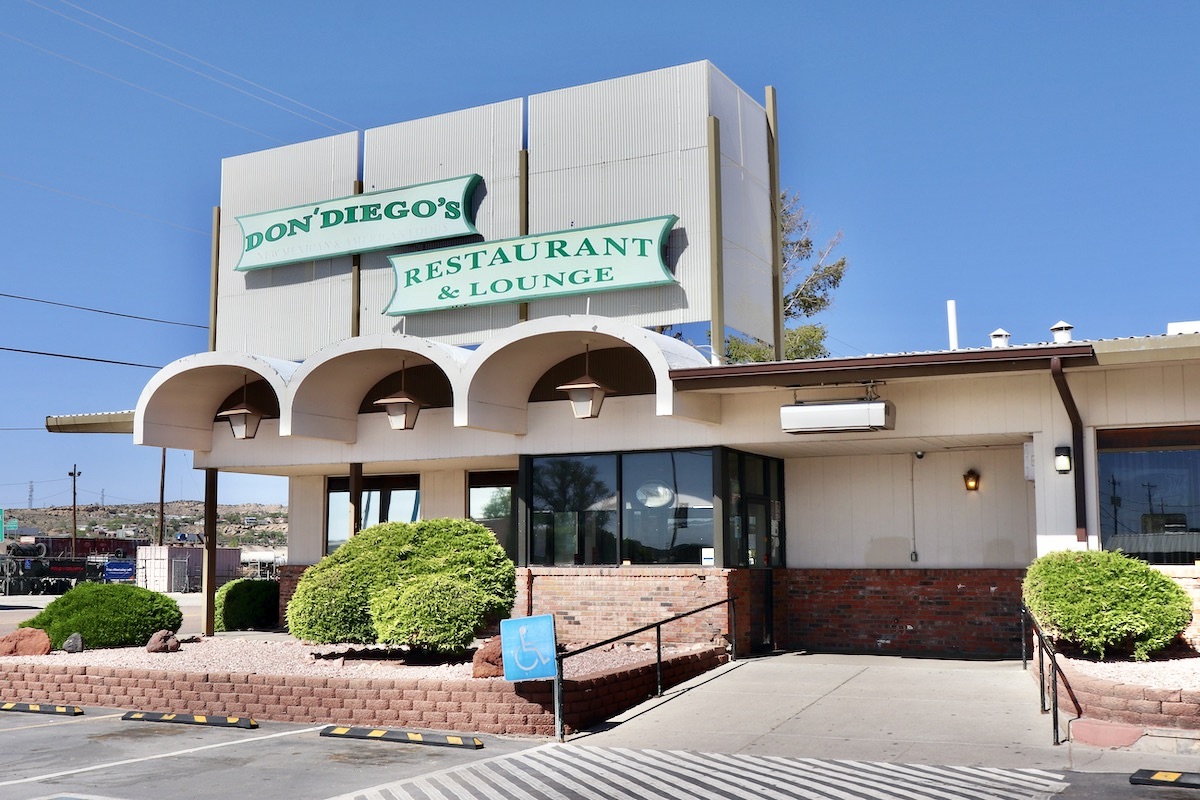
Our next major stop is Santa Rosa, an oasis town known for its natural lakes, classic motor courts and old-school character. A few surviving roadside businesses and motels give the town an easy authenticity without feeling overly polished or staged, but it’s also a place that feels left behind since the Interstate bypassed it in the 1970s. Standouts here from a strictly aesthetic perspective include the permanently closed Sun ‘n Sand Restaurant and its motel sign (which is currently lying on the ground after a wind storm blew it over in 2025), as well as the permanently closed Lettie’s Restaurant.
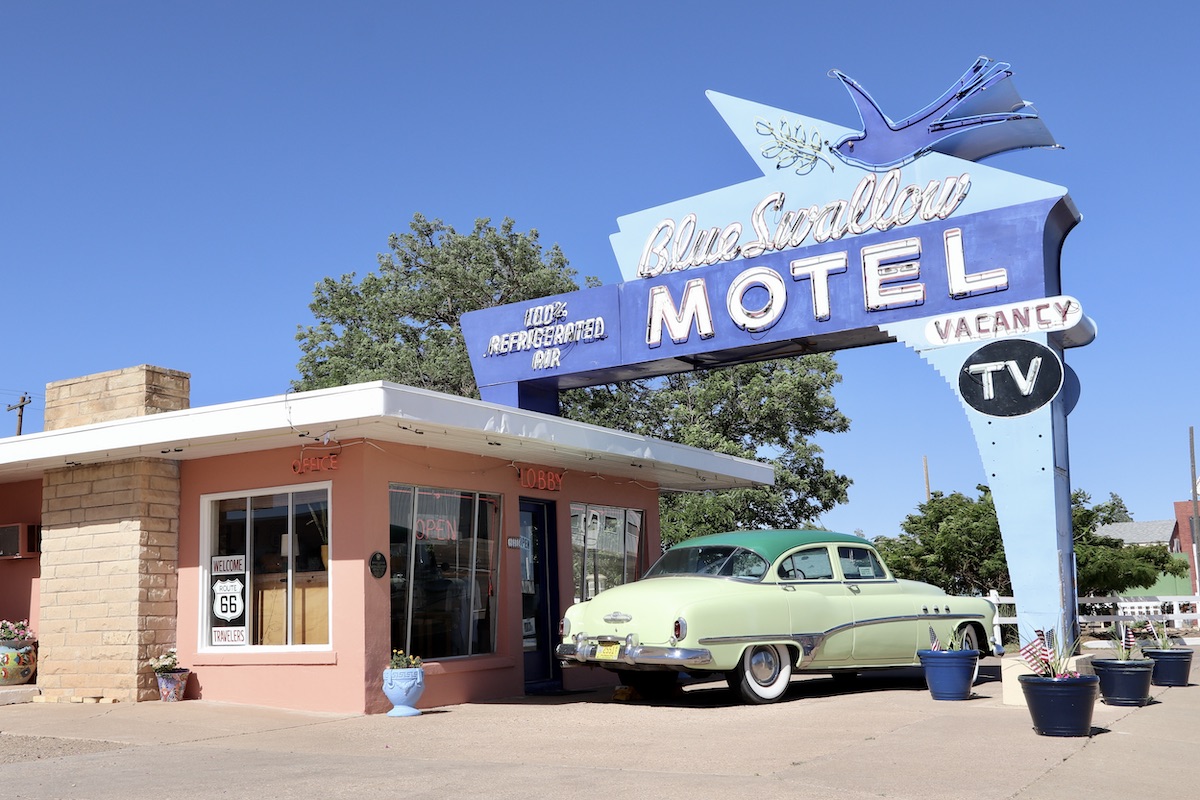
Finally, the road reaches Tucumcari, one of the great neon towns of Route 66. Here, the highway’s past is especially vivid, with restored motels, bold signs and some of the most beloved roadside landmarks in the Southwest. The Blue Swallow Motel (pictured above) remains an icon, famous for its garages, streamlined architecture and classic signage, while the Roadrunner Lodge Motel continues the tradition with its thoughtful restoration and retro details – including old-timey radios in each room playing music (and ads!) from the 1960s, one of my favorite touches. Vintage car lots and service stations also dot the highway, offering a glimpse of what life along the Mother Road was once like. Tucumcari feels like a town that understands exactly what makes Route 66 worth preserving.
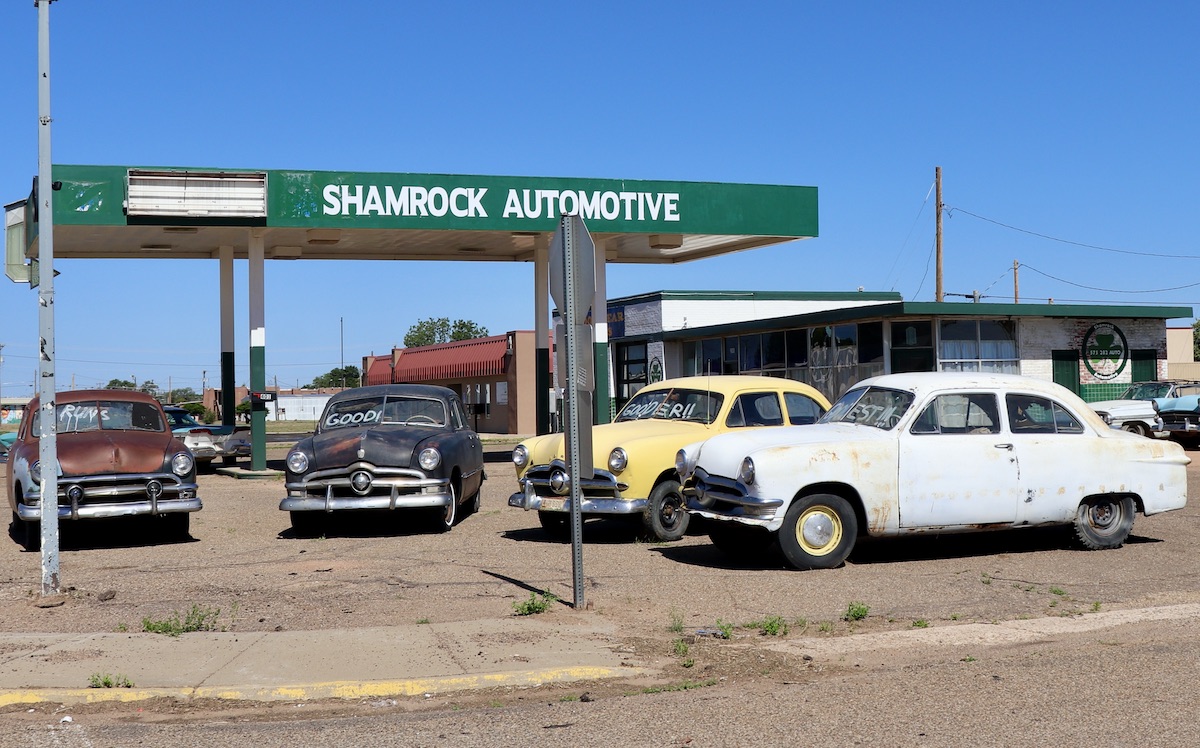
A century after this storied road first connected Chicago with Santa Monica, New Mexico still captures its spirit beautifully. It’s not just nostalgia, and it’s not just preservation. It’s the way these places continue to tell their stories, and the simple pleasure of moving from one town to the next.
For enthusiasts of midcentury design, vintage signage and authentic roadside Americana, few journeys offer a greater sense of time travel than Historic Route 66 through New Mexico.
For more information, visit the New Mexico Route 66 Association or New Mexico Tourism.
Written and photographed by Ken MacIntyre, © Modtraveler.net