Celebrating Arizona’s Route 66
As the Mother Road marks its 100th anniversary, there’s never been a better time to rediscover one of America’s most iconic drives, and nowhere does the original Route 66 survive in a longer uninterrupted stretch than in Arizona. The Grand Canyon State offers miles of open desert, dramatic scenery and quirky attractions that have defined the Route 66 experience for generations. With that in mind, I set out to explore some of the best of what remains.
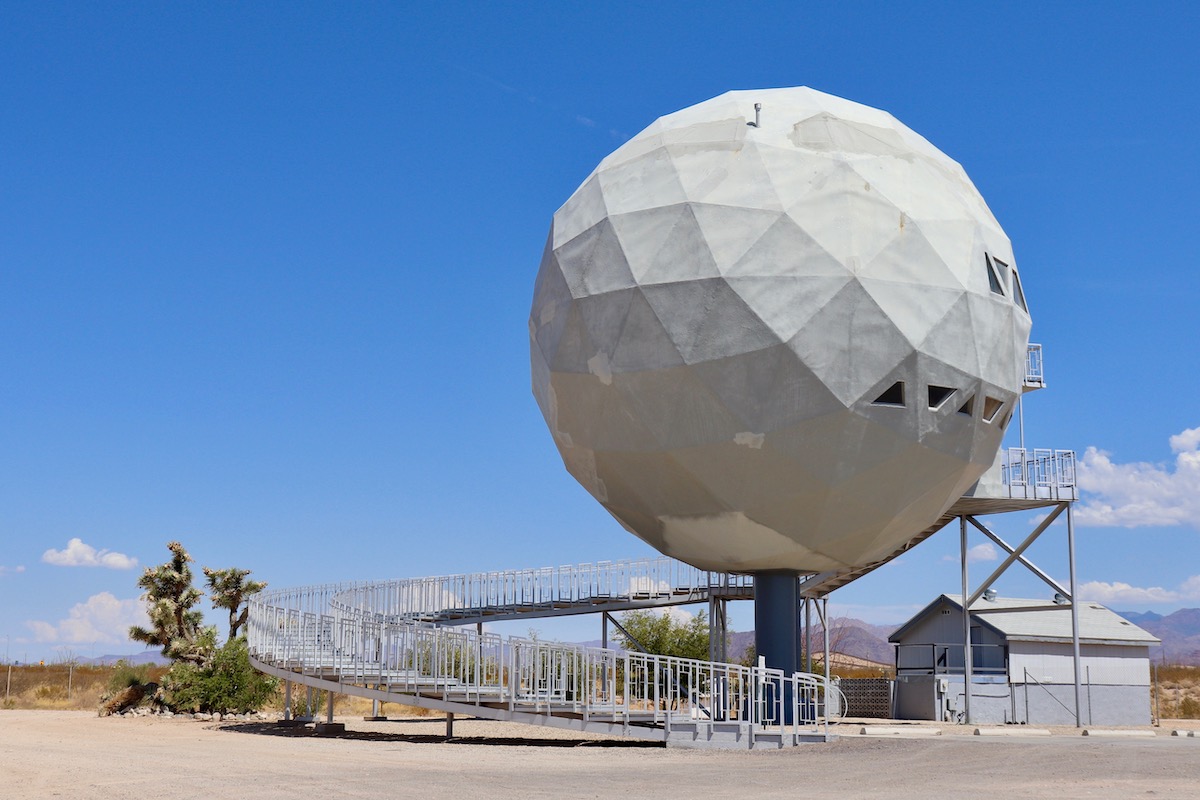
While many travelers heading east begin their Arizona Route 66 journey in Oatman, famous for its wandering donkeys and old mining town atmosphere, I bypassed it this time in favor of the 1952 alignment through Yucca. This later section of the road may not have Oatman’s burros, but it has its own appeal, including Area 66, a roadside stop that leans into the desert’s long association with UFOs and Atomic Age weirdness. It’s exactly the kind of unexpected roadside attraction that makes Arizona’s Route 66 feel less like a highway and more like a treasure hunt.
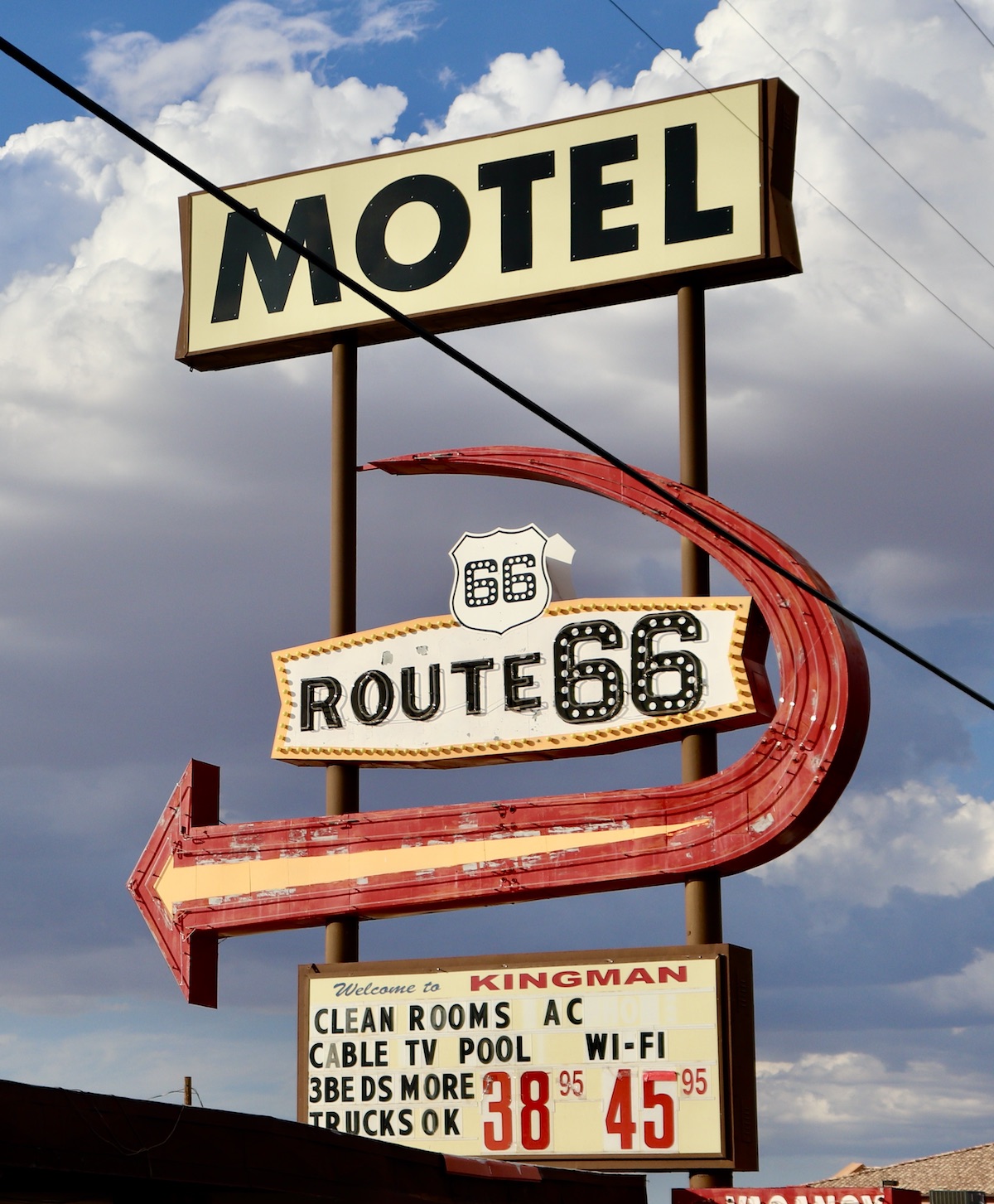
From there, Kingman stands as one of Arizona’s most important Route 66 towns. Its historic downtown, vintage signs and old motels give the city a strong identity, while their Route 66 Museum helps place the highway in a broader story, from early migration routes to the post-war family road trips that made it an enduring part of American culture.
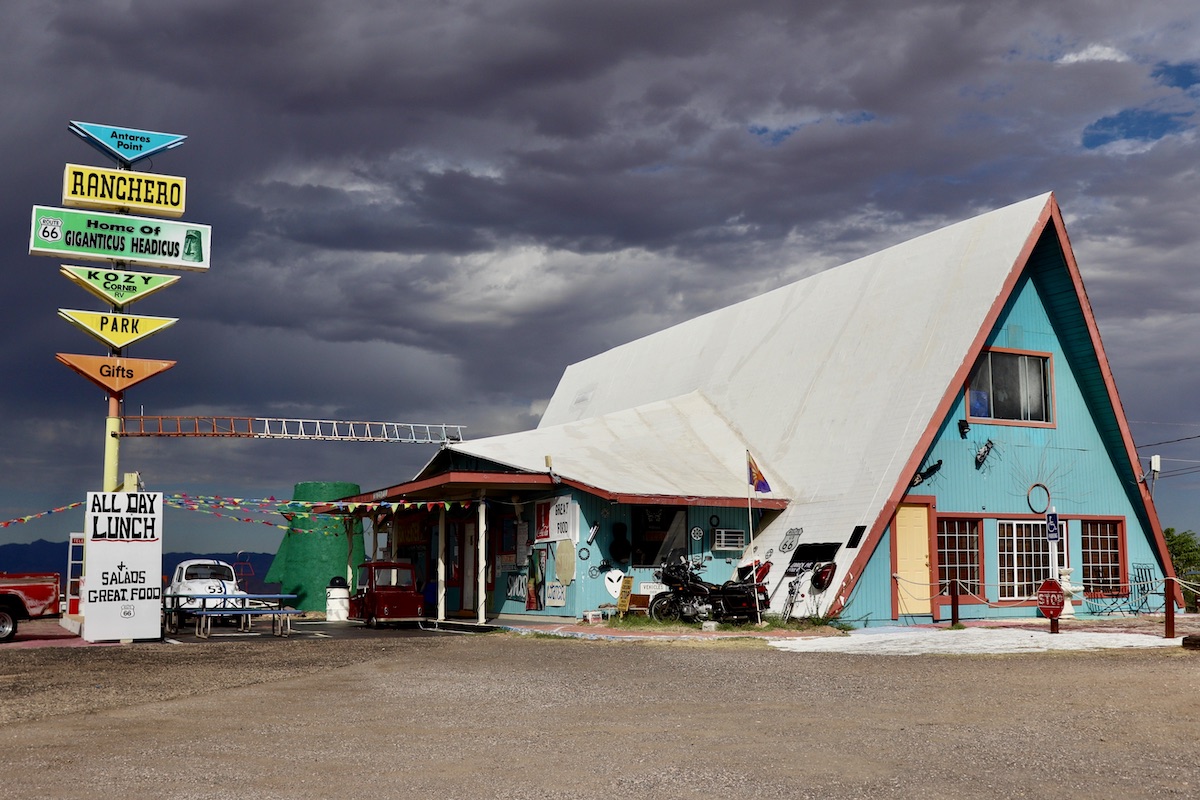
East of Kingman, the landscape becomes increasingly cinematic. Around Antares Point and the road towards Peach Springs the scenery shifts into a mix of windswept desert, striking rock formations and wide open sky. This is the part of Arizona’s Route 66 where the landscape almost seems surreal, so it’s easy to understand why the region is often linked to the visual inspiration behind Pixar’s movie, Cars. Whether or not that’s true, the connection makes sense the moment you see it.
Seligman is one of the great preservation stories of Route 66. After the interstate bypassed this town, local business owners helped revive interest in the old highway and turned Seligman into one of its most beloved stops.
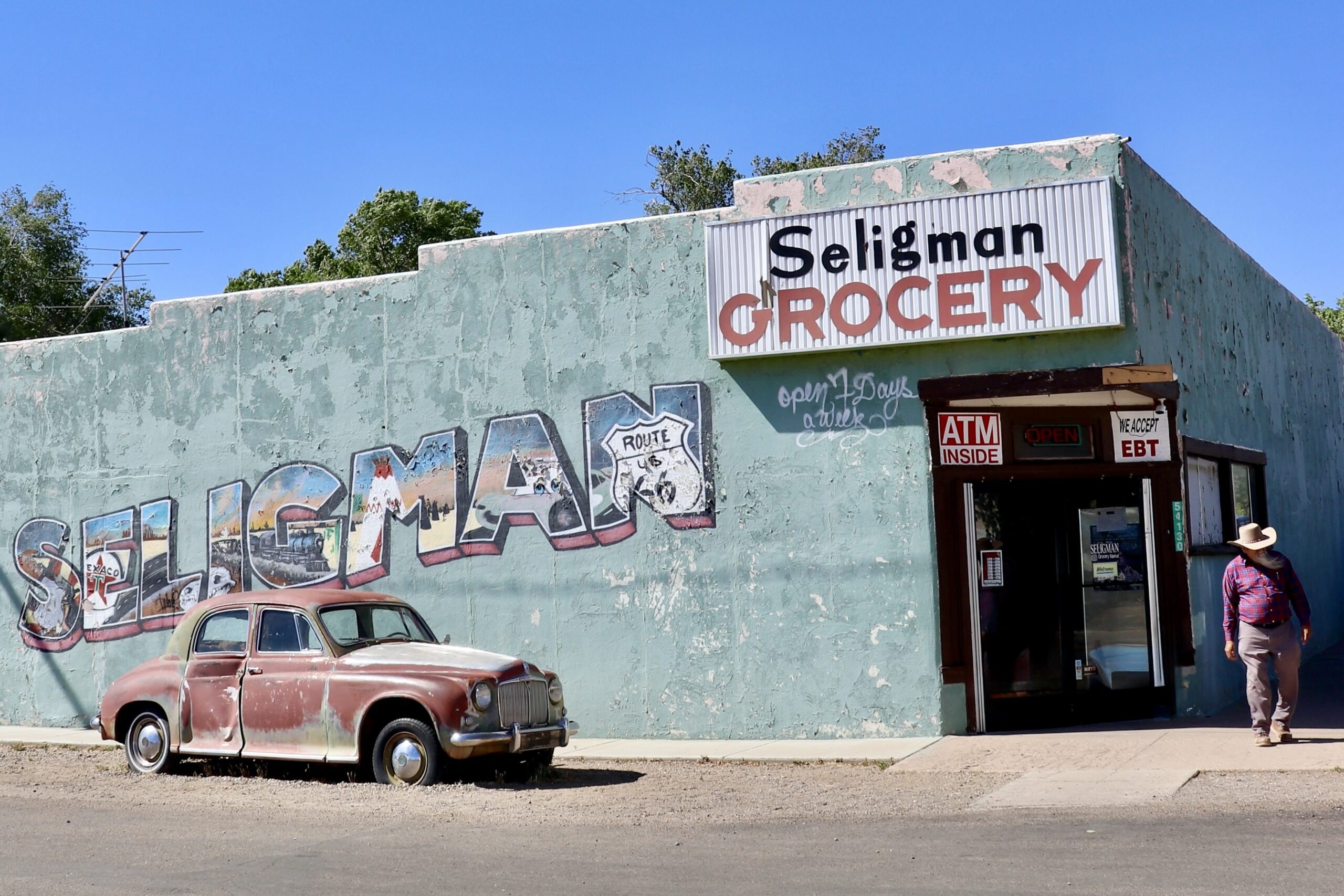
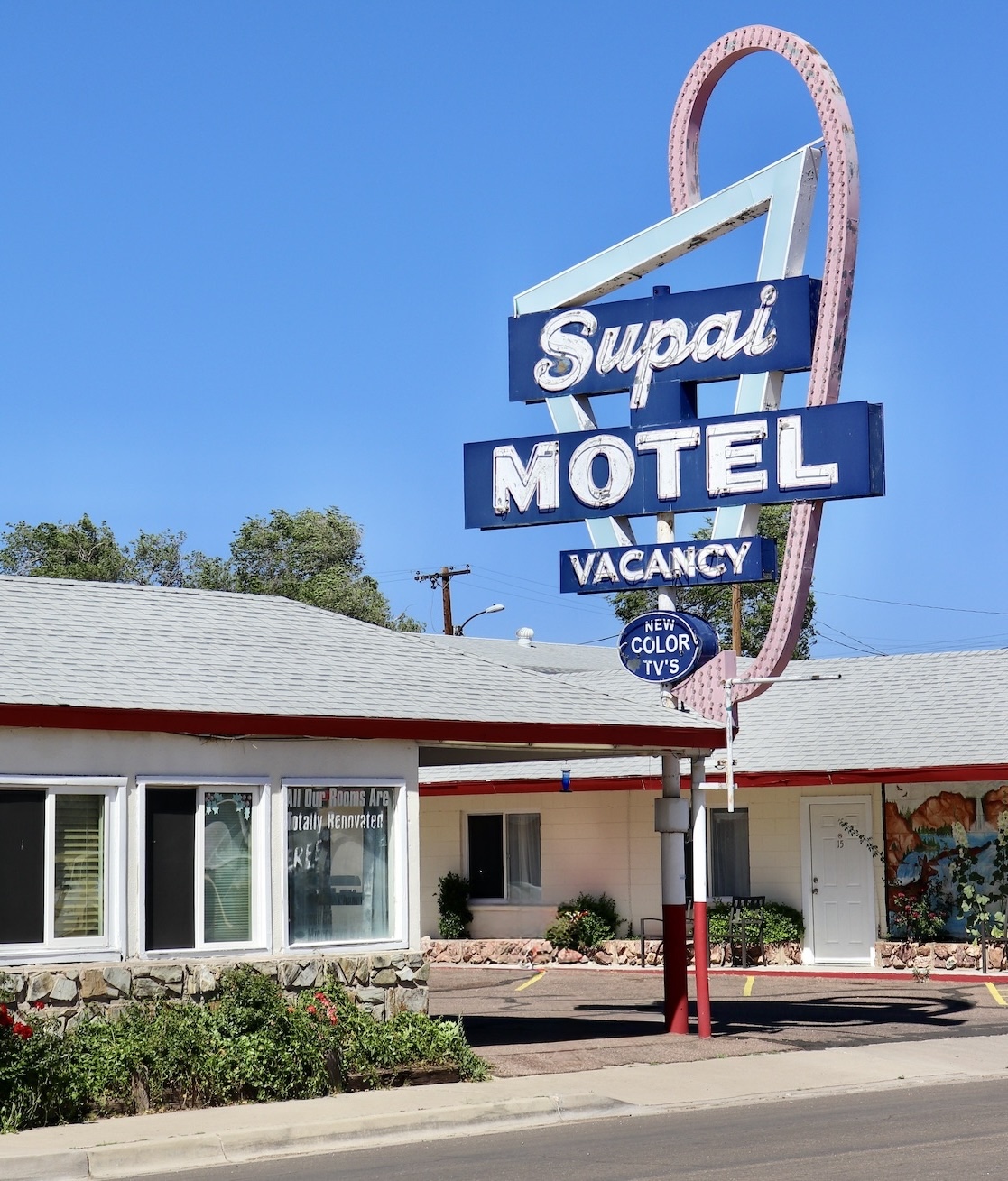
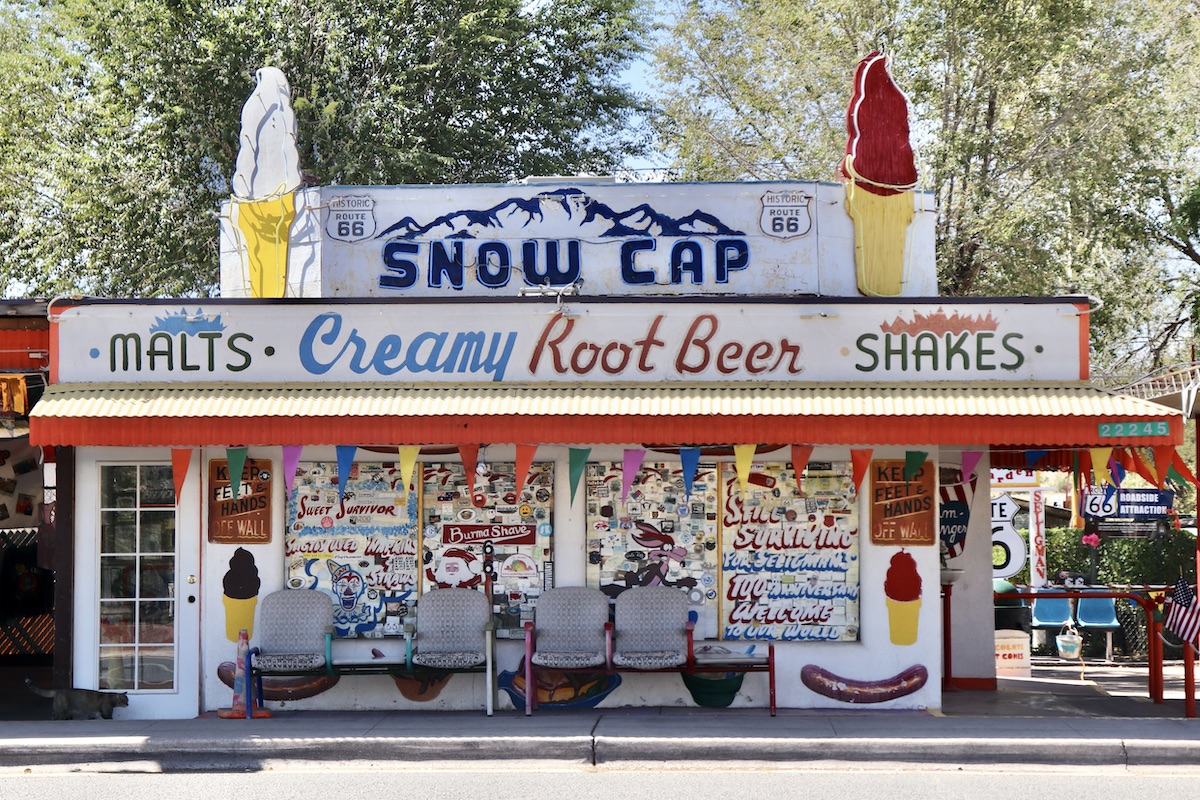
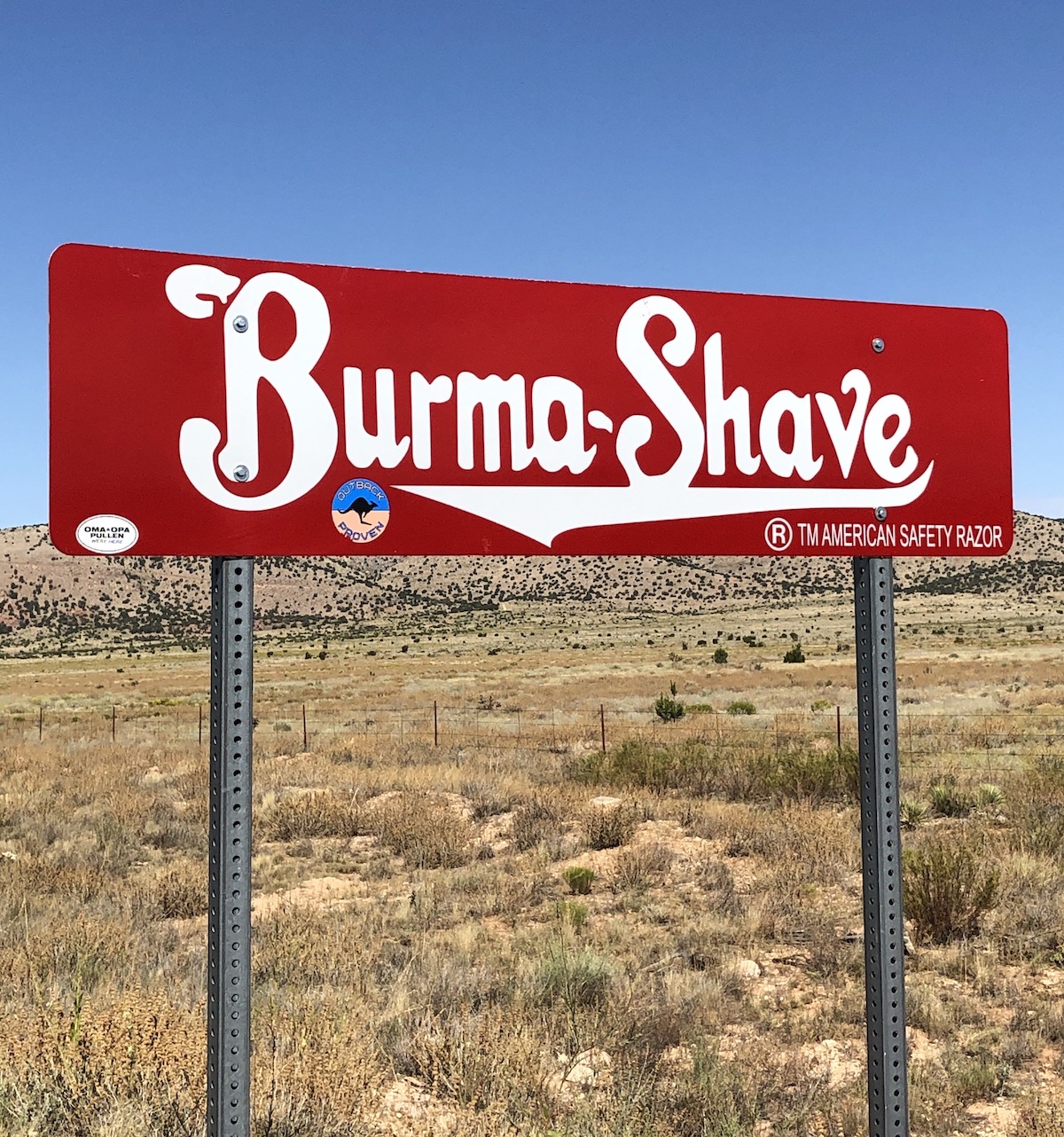
Today the town is packed with vintage signs, old storefronts and plenty of personality. The Supai Motel still displays its wonderful Googie sign while Delgadillo’s Snow Cap Drive-In remains one of Route 66’s most delightfully eccentric landmarks, as memorable for its atmosphere as for its food. Just beyond town, the Burma Shave signs add another layer of playful nostalgia, recalling the rhyming roadside ads that entertained drivers during the 1930s, 40s and 50s.
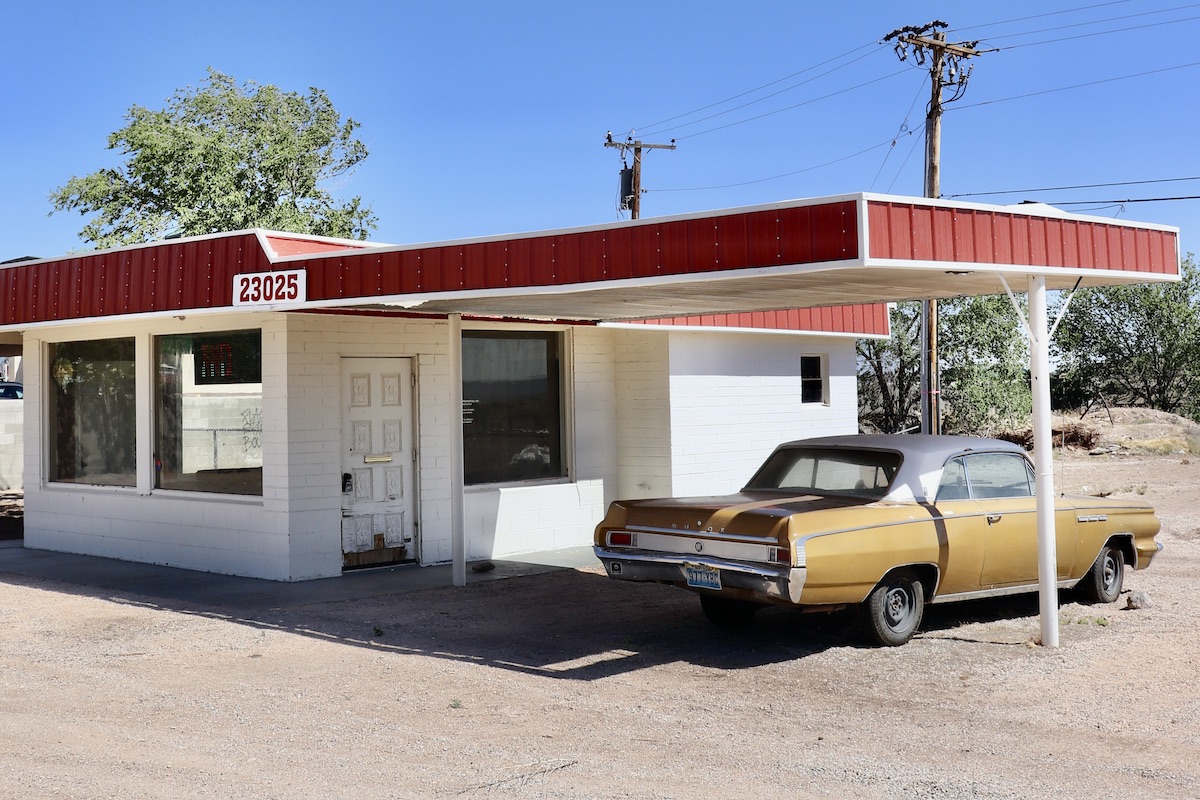
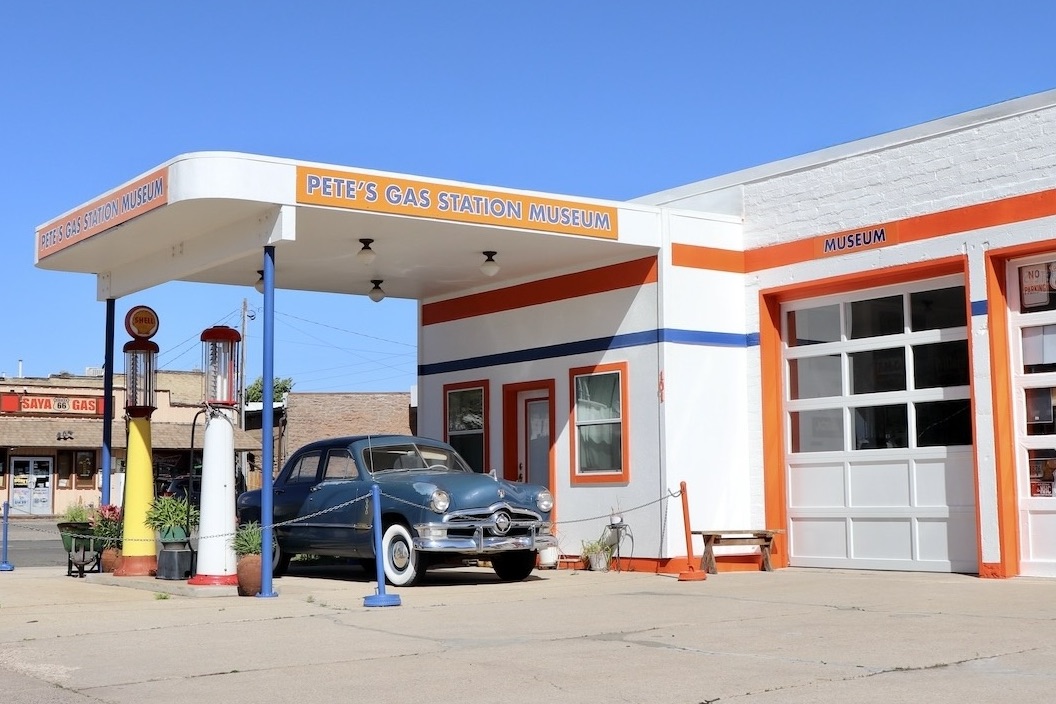
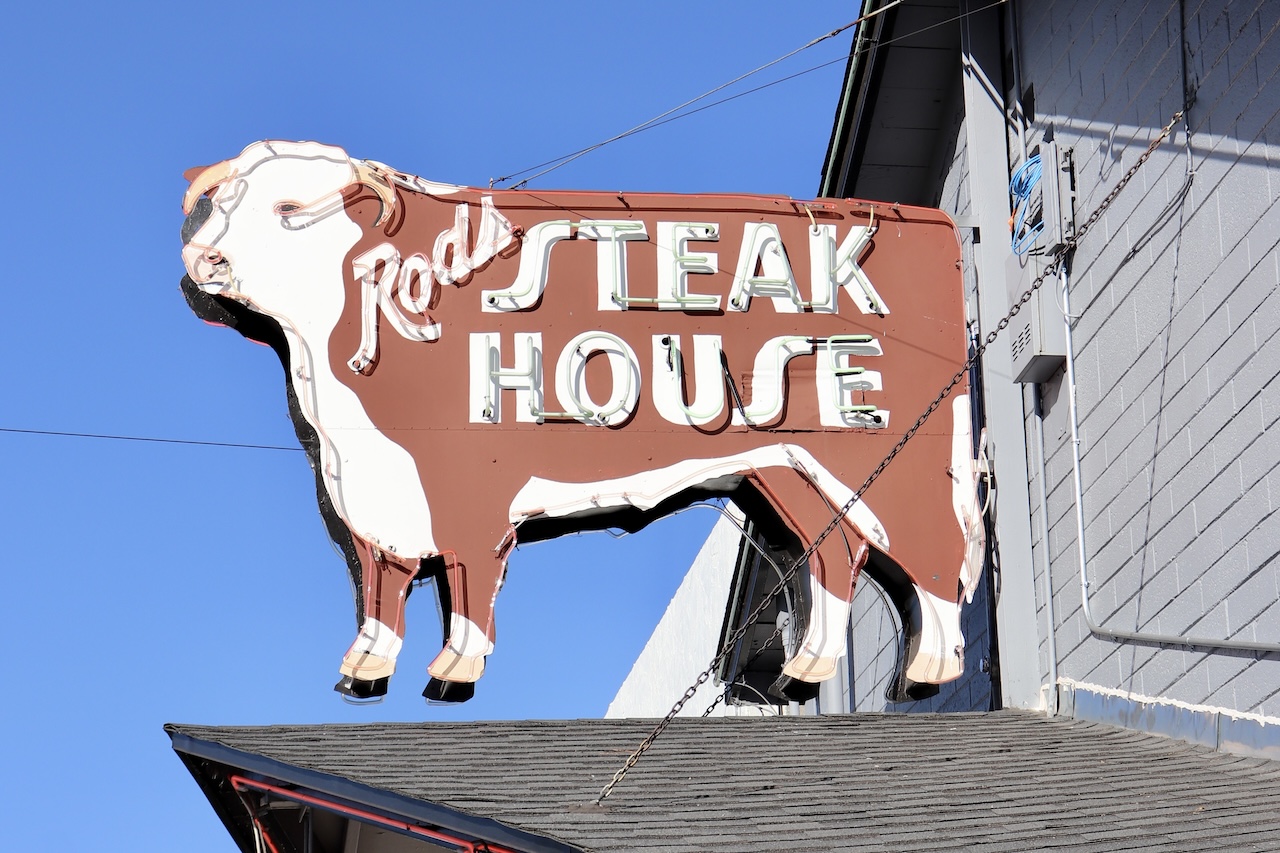
Known as the last Route 66 town bypassed by Interstate 40, Williams retains much of the roadside atmosphere that travelers associate with the highway’s golden age. Vintage motels, souvenir shops, service stations and historic storefronts line the original route, and even the classic Dairy Queen continues to serve generations of visitors. Rod’s Steak House remains a standout thanks in part to its iconic neon cow sign. I can also attest that their delicious Cactus Fire cocktail provides another good reason to stop. Williams may be more tourist-oriented these days, but there’s more than enough charm to make it worth exploring.
Flagstaff brings a different energy to Arizona’s Route 66. Set among ponderosa pines and mountain air, the city feels cooler, greener and more urban than the desert towns to the west. A few midcentury motels and commercial buildings still mark the old highway through town, but Flagstaff also adds college life, railroad history and a strong sense of place. Here, the road feels woven into the city rather than frozen in time.
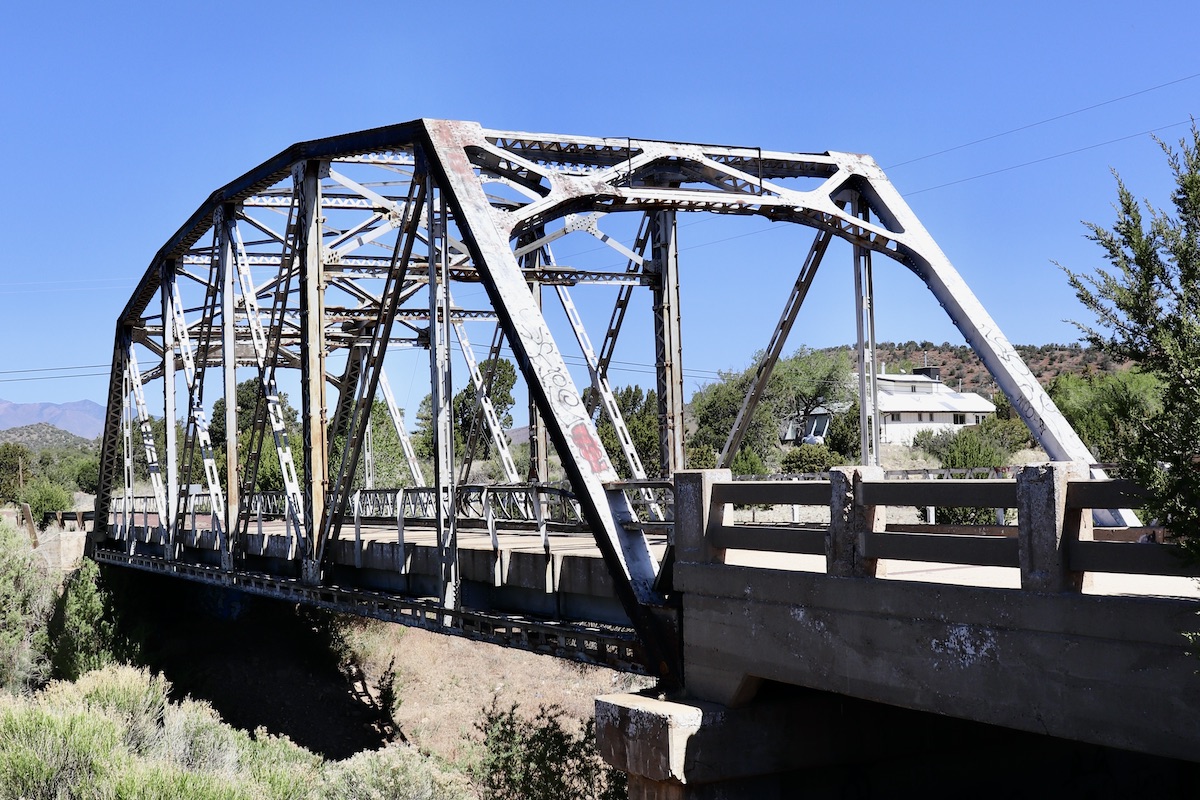
Just east of Flagstaff lies the tiny community of Winona, forever immortalized in the lyrics of Bobby Troup’s 1946 classic “[Get Your Kicks on] Route 66.” Tucked away northwest of town stands the 1924 Walnut Canyon Bridge, which carried one of the highway’s earliest alignments until it was bypassed in 1947. Today, it remains one of the oldest and best-preserved bridges on Route 66.
About 20 miles before reaching Winslow, Meteor City’s unmistakable geodesic dome rises in the distance. One of Route 66’s most unique landmarks, this quirky outpost has been revived with an eclectic collection of souvenirs, oddities and roadside memorabilia that make it worth a stop. It’s a welcome surprise along this stretch of the Mother Road, showing that some classic roadside attractions can still reinvent themselves.
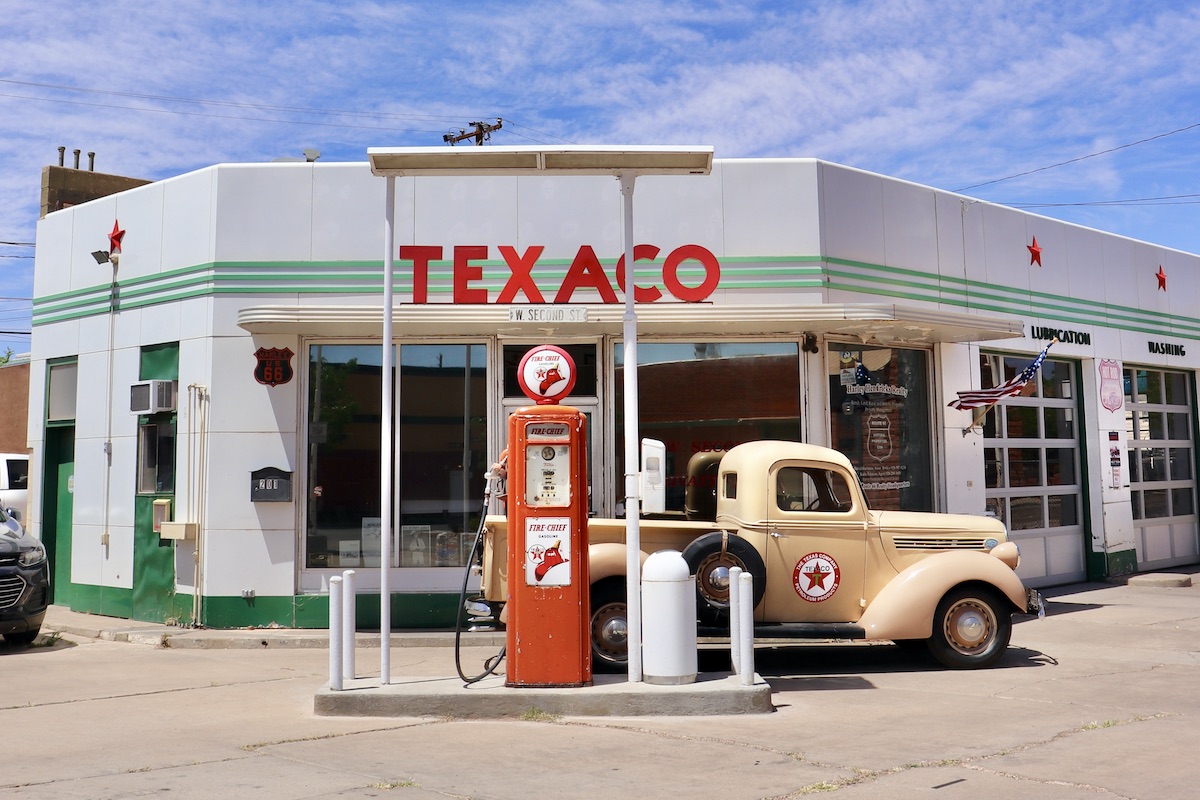
Winslow is, of course, impossible to separate from the Eagles’ song “Take it Easy.” The town has fully embraced its famous lyric, and Standin’ on the Corner has become one of the most photographed stops on Arizona’s Route 66. Winslow also offers a handful of vintage signs and roadside coffee shops like the Brown Mug cafe and the Falcon Restaurant & Lounge, both established in the 1950s. Together, these landmarks give Winslow the kind of pop culture nostalgia and authentic Route 66 atmosphere that rewards visitors who linger a little longer.
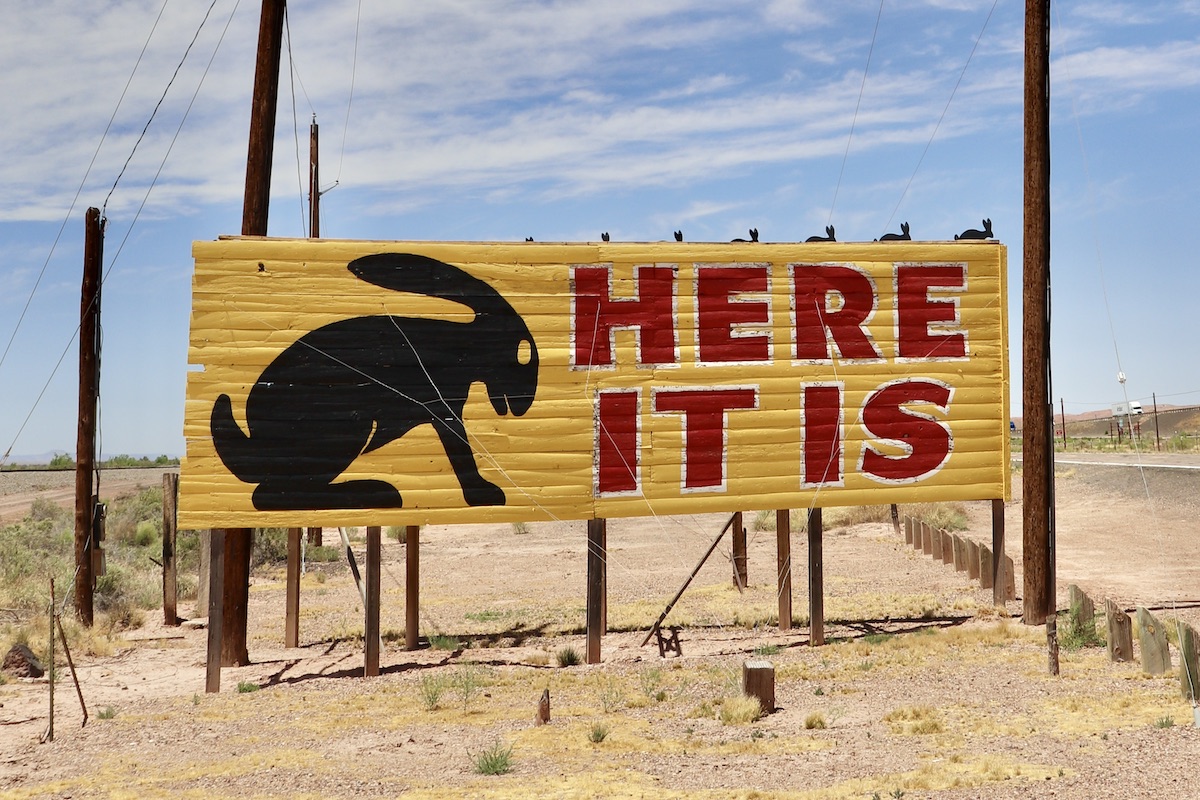
Farther east, the Jack Rabbit Trading Post remains one of the most iconic roadside stops along all of Route 66. Its famous “Here It Is” billboards once built anticipation for miles, leading motorists to the nostalgic gift shop and giant jackrabbit that still waits outside. Like so many great attractions, it’s simple, memorable and wonderfully effective. You see the sign, you stop the car, and suddenly you’re part of a tradition that’s been playing out for generations.
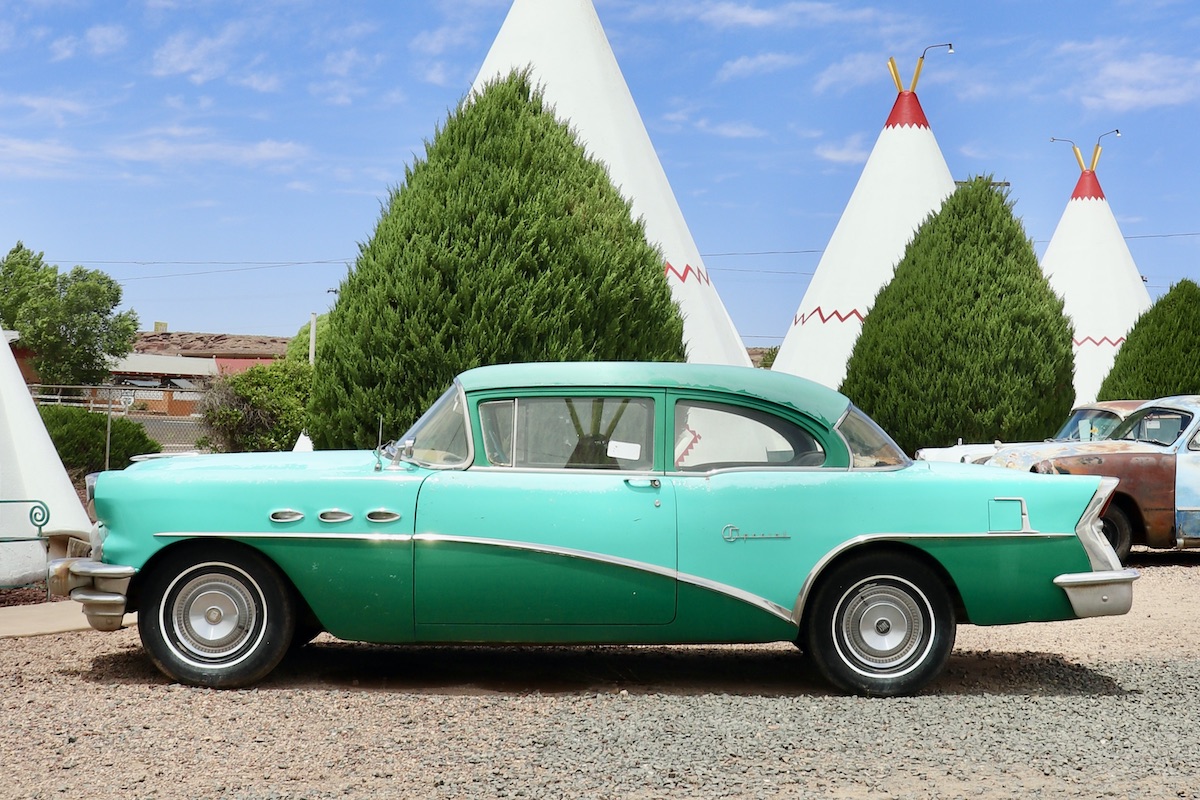
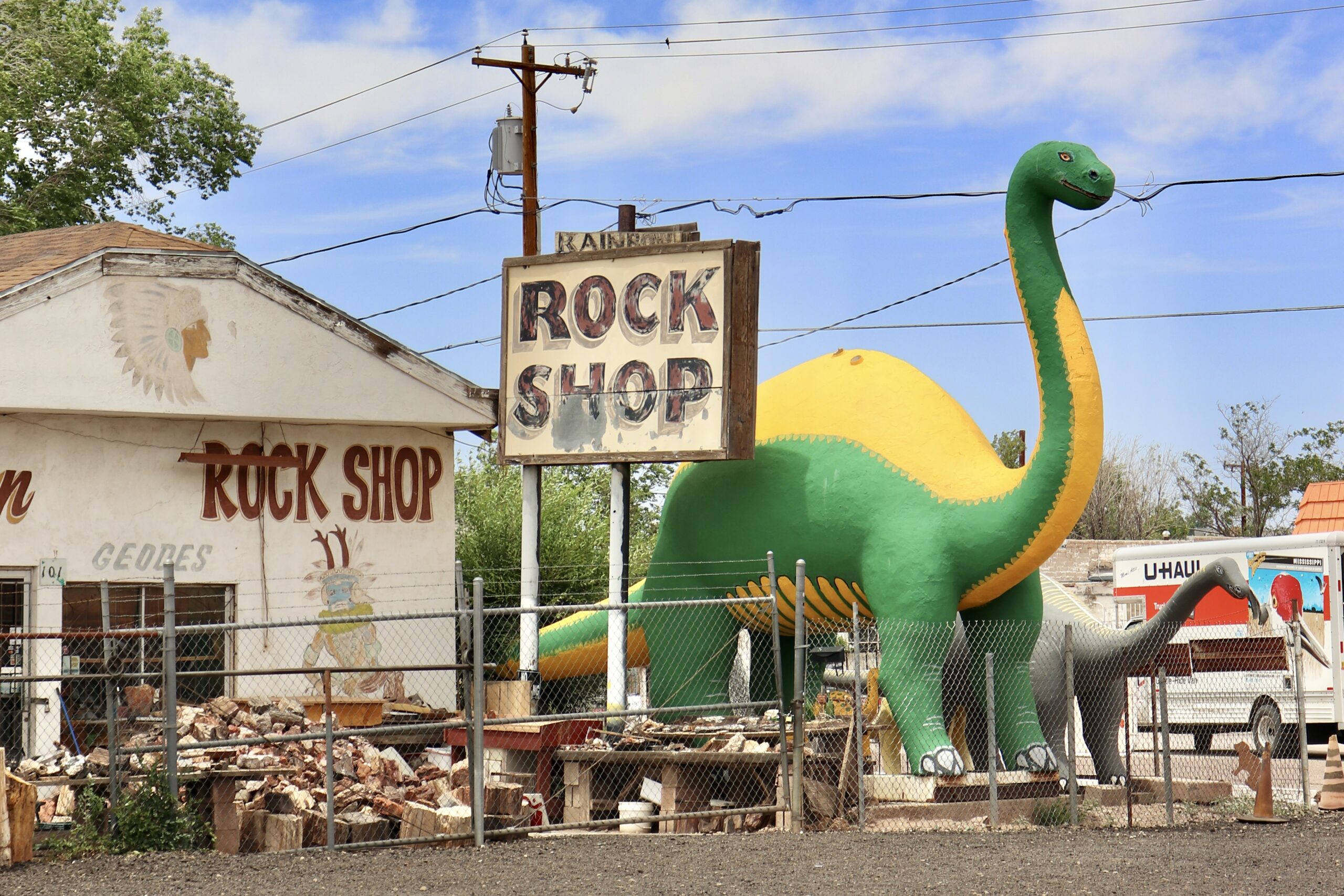
Holbrook brings the Arizona journey to a fitting close. The town is filled with classic roadside ephemera and the kind of weathered commercial architecture that makes Route 66 so visually compelling. Vintage signs compete for your attention around every corner, while its most famous landmark, the Wigwam Motel, remains one of the great icons of the entire highway. The concrete teepees, classic cars and neon-lit atmosphere capture the fantasy of midcentury road travel better than almost anywhere else. Nearby, the Rainbow Rock Shop has been delighting visitors for decades with its colorful petrified wood displays and giant concrete dinosaurs. Together, they remind visitors that Route 66 has always been as much about unexpected roadside discoveries as the destination itself.
Arizona’s Route 66 is more than a collection of stops along an old highway. It’s a celebration of desert dreams, quirky roadside attractions and memorable landmarks that have made the Mother Road famous for over a century. As Route 66 celebrates its centennial, Arizona remains one of the best places to experience the fun, nostalgia and unexpected discoveries that continue to turn an ordinary drive into an unforgettable adventure.
For more information, visit the Historic Route 66 Association of Arizona or the Arizona Office of Tourism.
Written and photographed by Ken MacIntyre, © Modtraveler.net